




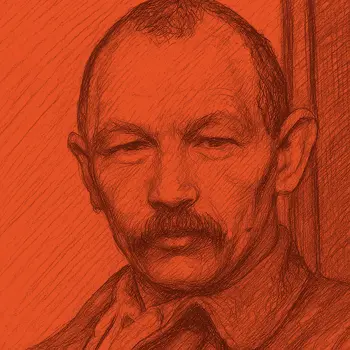
Marking the centenary of Jules Durand’s death, the library and the Municipal Archives of Le Havre revisit one of the most serious miscarriages of justice of the twentieth century. The exhibition brings together an exceptional collection of contemporary documents shedding light on this dramatic episode.
At the beginning of the twentieth century, Le Havre experienced unprecedented economic growth, particularly in its port activities. The Compagnie Générale Transatlantique, the flagship company of this industry, alone employed more than 7,000 workers. Within this thriving port economy, the coal dockers played a vital role: without their labor, maritime traffic and commercial exchange would grind to a halt. Yet these roughly 600 essential workers were among the most marginalized and precarious in the port city.
In 1910, the threat of mechanization and their harsh working conditions sparked a strike. In early September, however, Louis Dongé, a non-striking coal worker, was killed during a drunken brawl. For Stanislas Ducrot, the Transat’s chief agent, the incident offered a chance to crush the coal workers’ union, recently reorganized by Jules Durand. Although Durand was not even present at the scene, he was immediately accused of masterminding the crime.
The judicial investigation that followed was riddled with irregularities: manipulated testimonies, pressure placed on the judge, and a rushed procedure. Durand was sentenced to death in what would later be recognized as one of the most serious judicial errors of the twentieth century. The case provoked national and international outrage, echoing the famous Dreyfus Affair.
To recount this story, the exhibition gathers remarkable items, including documents long thought to be lost. Among them are previously unseen testimonies of a movement that spread far beyond France’s borders—petitions never before reproduced or displayed, as well as early twentieth-century artworks depicting the harsh and unforgiving working conditions of the dockers.
The exhibition also features exceptional materials related to Boulevard Durand, the play by Armand Salacrou that revived the case in the 1960s: manuscripts, letters from René Coty, and rare photographs.
Guided tours every Saturday at 3 p.m., except on April 4, April 11, and May 23.
Rates
Free for everyone
—
Opening times
From 19 February 2026 until 6 June 2026 -